You signed in with another tab or window. Reload to refresh your session.You signed out in another tab or window. Reload to refresh your session.You switched accounts on another tab or window. Reload to refresh your session.Dismiss alert
Let's learn about Cross Chain via these 67 free blog posts. They are ordered by HackerNoon reader engagement data. Visit the /Learn or LearnRepo.com to find the most read blog posts about any technology.
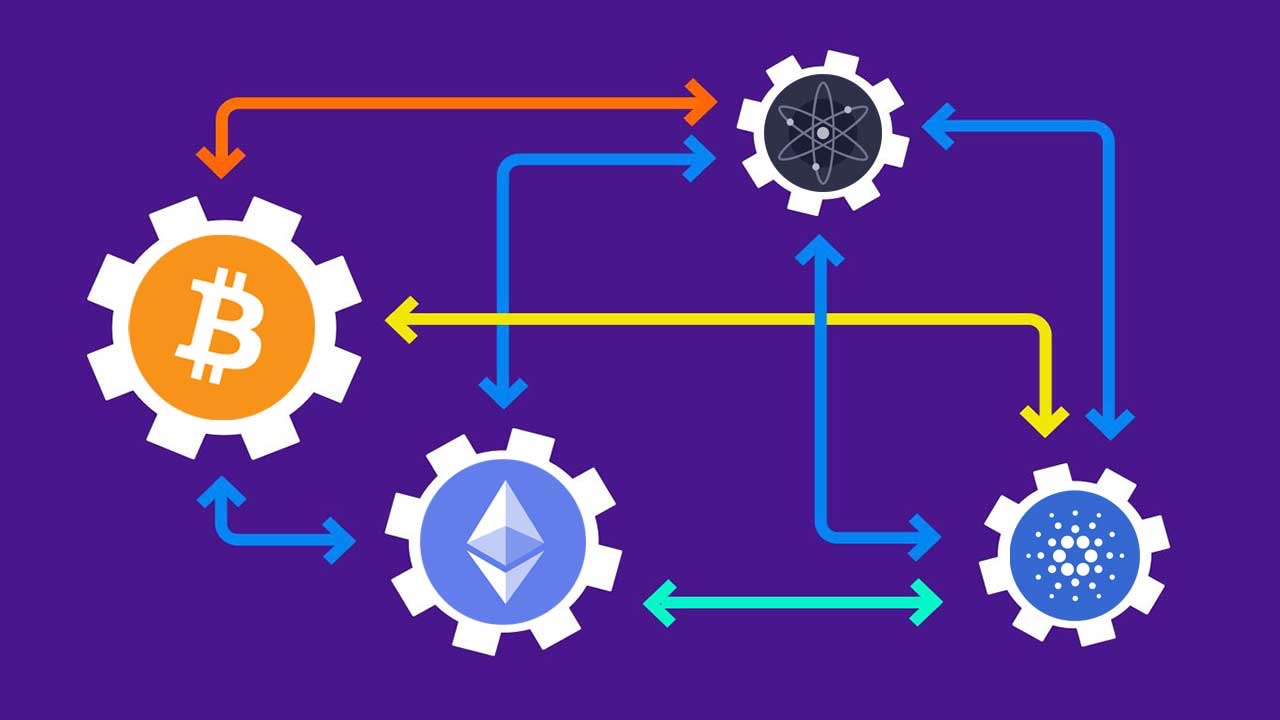
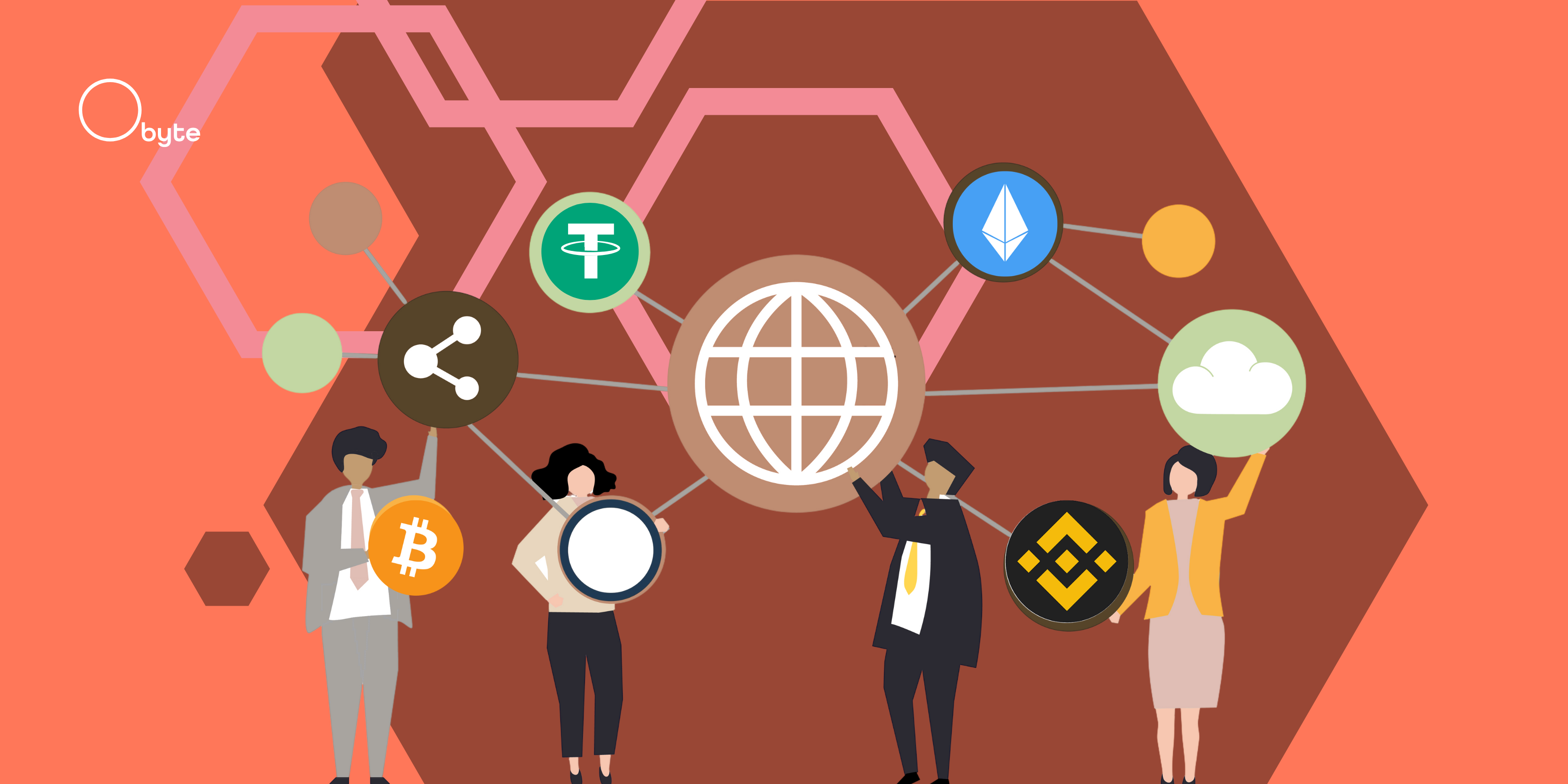
Cross-chain refers to technologies and protocols that enable the transfer of assets or data between different independent blockchain networks. It is crucial for enhancing interoperability and scalability within the fragmented blockchain ecosystem, fostering a more connected Web3 future.
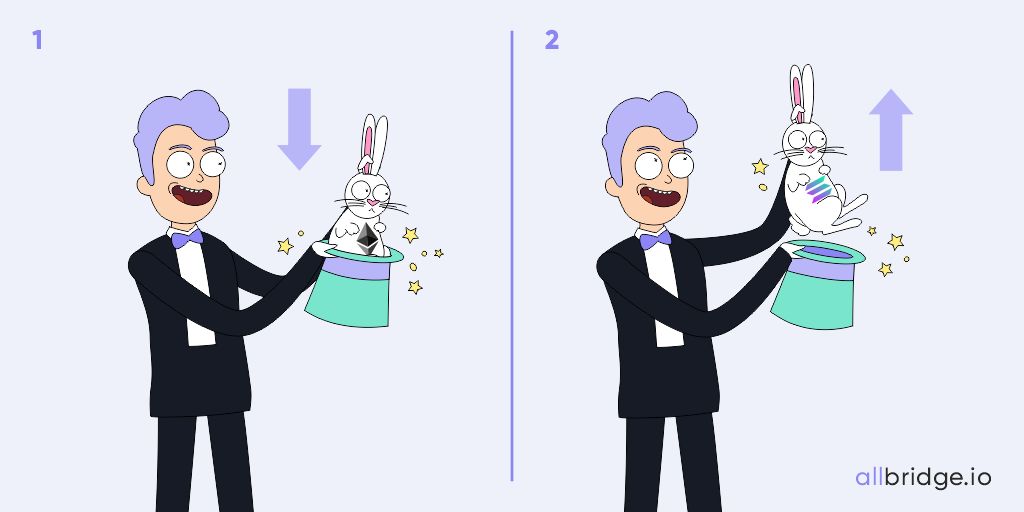
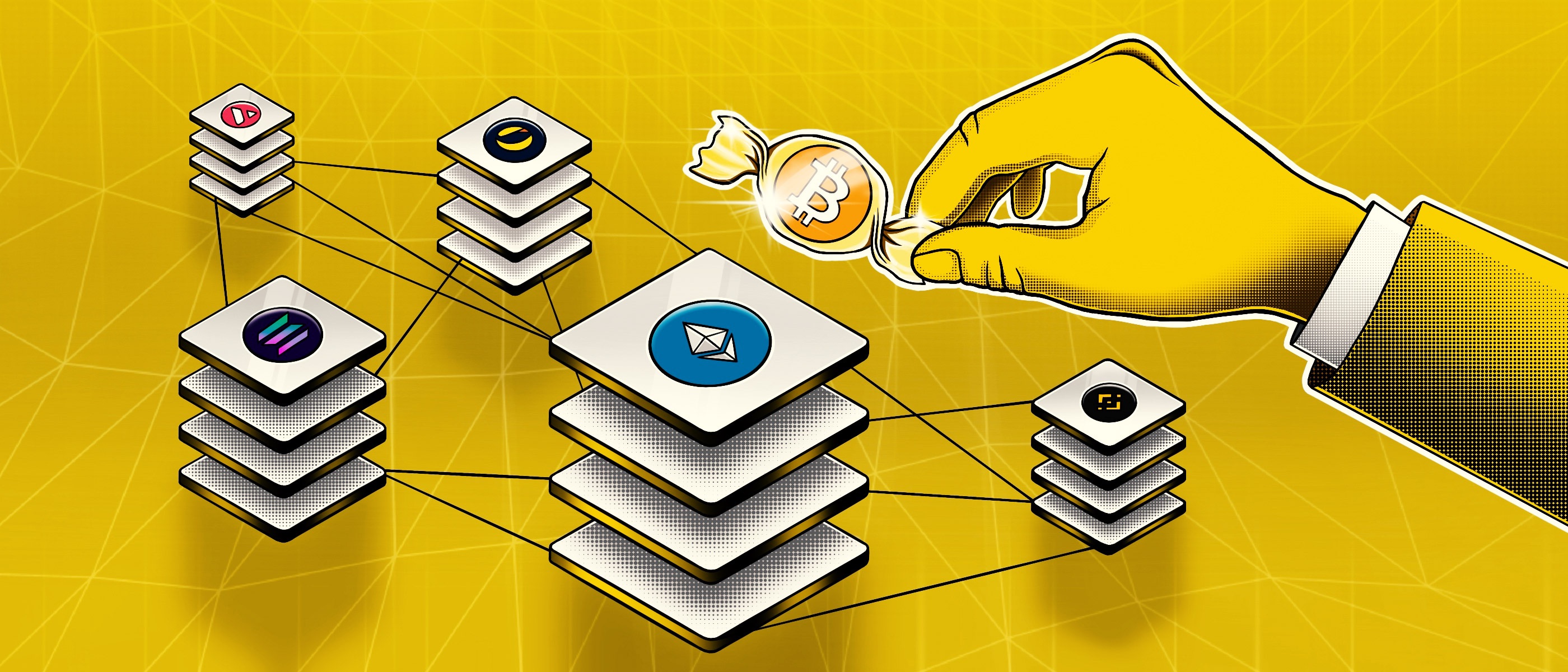
There are four usual ways to transfer tokens: exchanges, synthetic assets, atomic swaps, cross-chain token bridges. Let's take a closer look at each one.
By developing a sophisticated three-layer blockchain architecture, Opside combines the strengths of Proof-of-Stake (PoS) and Proof-of-Work (PoW) consensus.
You walk into a coffee shop and want to start your day with a grande Cappuccino. The barista starts making your coffee, and you’re sitting at your table, staring at the birds chirping outside the window.
A brief summary of different cross-chain approaches for beginners and non-techers who want to transfer assets from one Blockchain to another with ease.
Qredo is thrilled to announce its technology preview of QSign – a cross-chain primitive that will allow Web3 developers to generate, sign, and broadcast data...
Cryptocurrency trading is becoming more complicated day by day. Only a few years ago any centralized platform for trading was good enough for everyone. But now traders want to use decentralized exchanges, which is very reasonable considering the very long list of centralized exchange hacks that have occurred over the past five years. A decentralized exchange is a safer way to trade, not handing over your funds to a third party who may not be responsible enough to keep them safe. You keep your funds to yourself, and you may lose them only through your own volition, not by someone else’s incompetence.
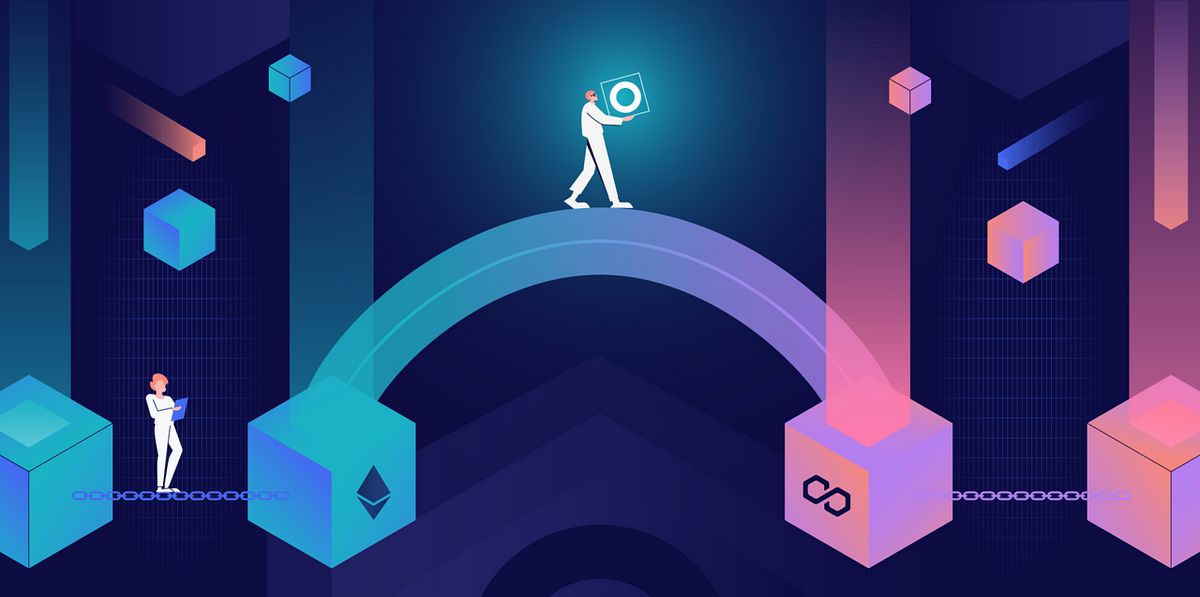
This article describes how to transfer tokens from Ethereum to BSC, How to transfer tokens from BSC to Polygon, and how to transfer from Ethereum to Polygon.
After nearly 9 months of work, version 3 of “A Survey on Blockchain Interoperability: Past, Present, and Future Trends” is out. This survey depicts the state of blockchain interoperability as of March 2021, by collecting and analyzing 404 documents.
Cross-chain solutions are increasingly catching the attention of speculators within the decentralized finance ecosystem. As products and platforms grow in popularity, interoperability between separate chains is becoming increasingly important.
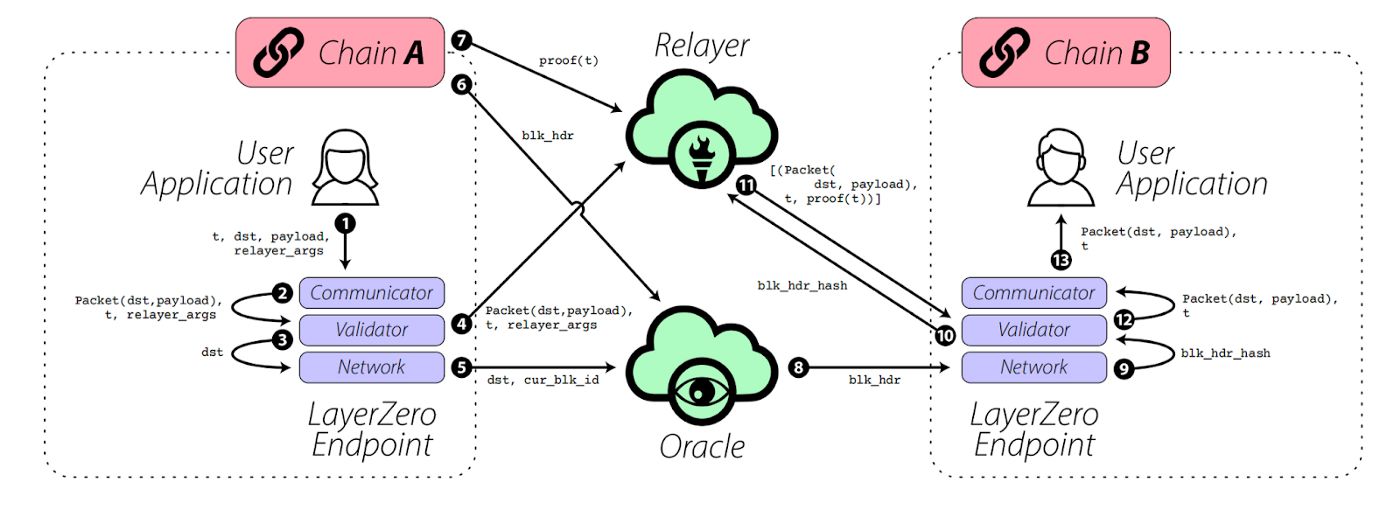
BDX goes multi-chain with LayerZero and Stargate, enabling seamless cross-chain asset transfers across Ethereum, BNB Chain, Solana, Arbitrum, and Base networks.
As blockchains flourish on their way to pollinating the world economy with the power of distributed ledgers, interoperability between networks becomes essential to sustaining this paradigm shift.
Uncover the challenges faced by rollups in scaling public blockchains, explore the possible solutions and assess the prospects for the future of rollups.
Cosmos Network is making great strides while adding new layers to its already robust DeFi infrastructure that includes many exciting projects such as Terra, etc
Mutlichain and cross-chain applications are aiding in pushing the web3 space forward by pioneering interoperability. Find out what this means for web3 gaming!
Let's explore the overlooked gems in cross-chain DeFi innovation beyond the hype, that have the potential to compete with overvalued giants like LayerZero
Decentralized Finance, also known as Defi, has grown massively since its beginnings in 2020. As this industry continues to grow, new innovations come into play.
Explore Interport Finance in LayerZero: a DeFi platform streamlining interchain transactions with cross-chain messaging, Stablecoin Vault, and Meta DEX.
Cross-chain is the solution to Web 3.0 being spread across multiple chains which would interfere with interoperability if not solved in the near future.
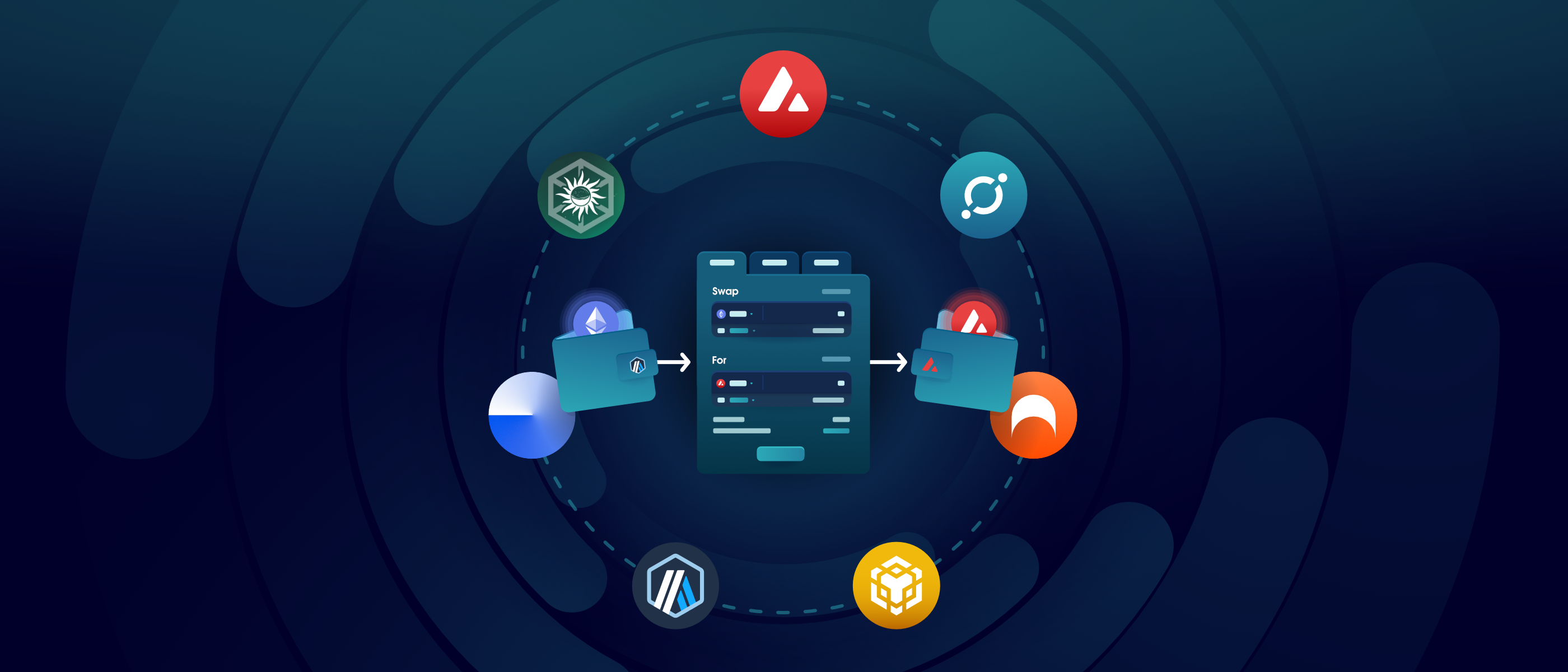
Why is cross-chain Web3 important? What is the best cross-chain solution? How to scale up with Rubic’s Cross-Chain Swap tools? All the answers are right here!
What if it were possible to send and receive cryptocurrencies across different blockchains? For example, using bitcoin on the Binance Chain would allow users to transact bitcoin for a lower transaction fee with a faster payment settlement time. Instead of taking roughly an hour to receive six confirmations on their BTC transaction, the transaction would take as little as 6 seconds to receive that same amount of confirmations on Binance Chain.
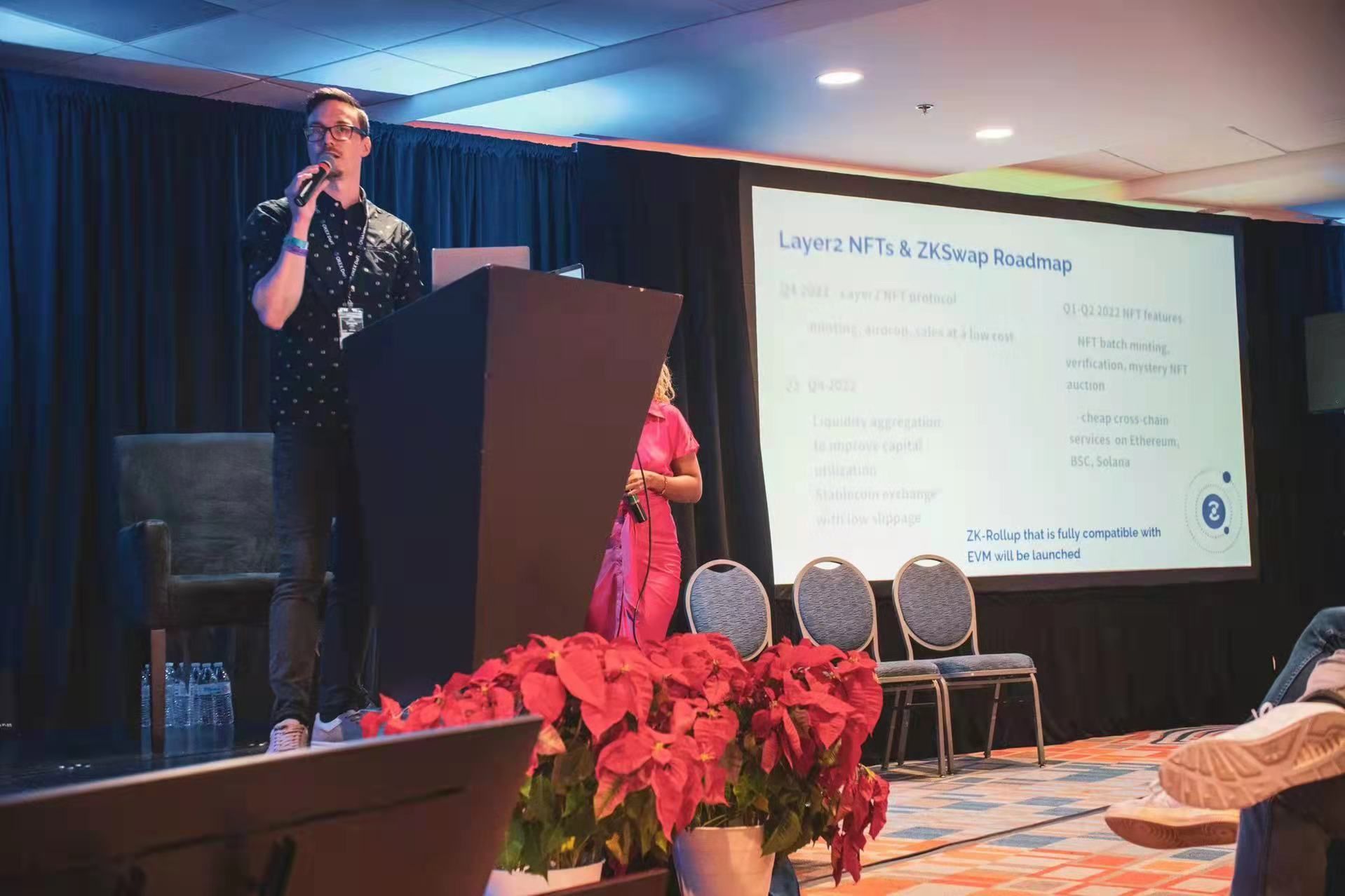
Karl Hedin, Lead Developer at ZKSwap Europe has spoken at Dcentral about one of the most important topics in crypto today: layer2 chains and applications.
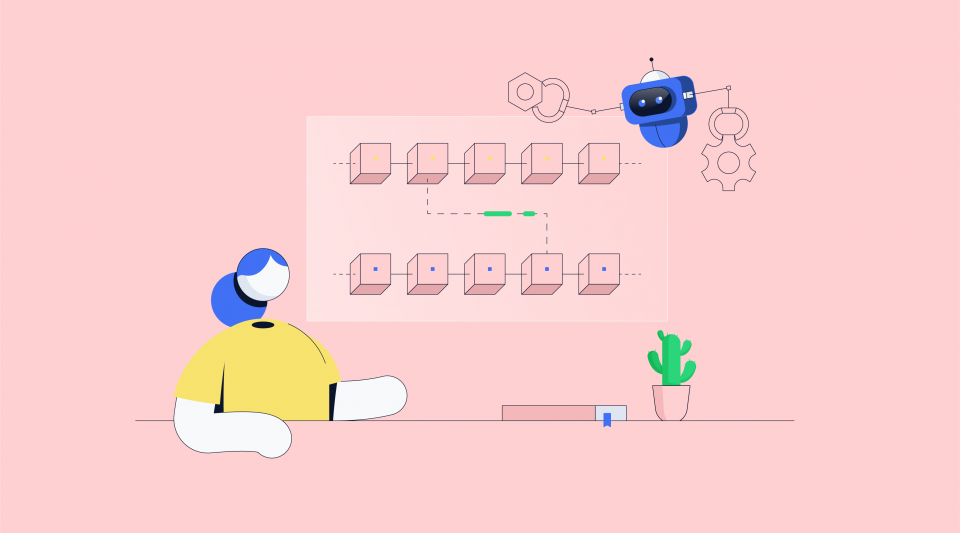
Cross-chain messages, the bread and butter of interoperability are an important blockchain technology that be used for transactions, information exchange & more
To understand the significant roles incubation and investment play in transforming cross-chain complexity into omnichain simplicity, Olayimika Oyebanji sat down
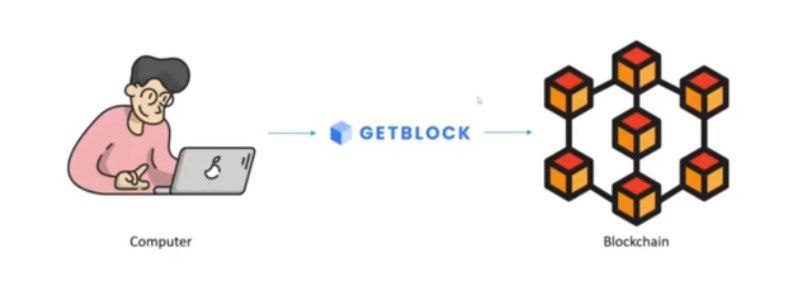
Build cross-chain dApps easily with GetBlock. Get instant API access to 50+ blockchains, skip node management, and accelerate your development. Learn how!
In this article, we will embark on a journey through this convergence, and explore how these seemingly unrelated elements are shaping the blockchain ecosystem.
Recently, developers found ways to address the issues and allow communications with the different Blockchain. The solution lies within cross-chain technology!